
Sports-Related Injuries
We focus on active recovery and smart load management to rebuild your body’s capacity and confidence. Through a blend of targeted exercises and hands-on techniques, we guide you back to your sport with smart training, reducing your risk of future injury.
what we treat
These injuries develop over time from repeated stress on a specific body part. They are often a result of doing too much too soon or inadequate recovery.
– Bursitis & Tendonitis (Tendinopathy): Inflammation or degeneration of a bursa (a small fluid-filled sac that cushions bones, muscles, and tendons) or a tendon (the fibrous cord that connects muscle to bone). Common in athletes who perform repetitive motions, like swimmers or tennis players.
– Tennis Elbow & Golfer’s Elbow: A form of tendonitis. Tennis elbow causes pain on the outside of the elbow from a repetitive motion that straightens the wrist. Golfer’s elbow causes pain on the inside of the elbow from repeated forceful wrist flexion.
– Plantar Fasciitis (Fasciopathy): Pain in the bottom of the foot, especially near the heel. It’s caused by inflammation or degeneration of the plantar fascia, a thick band of tissue that runs across the bottom of the foot. It is common in runners and ballet dancers.
– Jumper’s Knee (Patellar Tendinopathy): A painful condition of the tendon that connects the kneecap to the shinbone. It’s an overuse injury from repetitive jumping and landing, common in sports like basketball and volleyball.
– Sciatica: This is a symptom of nerve irritation, not a diagnosis. Sciatic pain, which can be a burning or shooting sensation, radiates down the back of the leg. In athletes, it can be caused by a herniated disc or, more commonly, by a tight piriformis muscle that compresses the sciatic nerve.
A non-contact injury occurs without any external force or collision with another person or object. The injury is caused by the athlete’s own movements, such as a sudden stop, quick change of direction, or an awkward landing. These injuries often involve the body’s internal forces exceeding the structural integrity of a joint, ligament, or tendon.
– ACL Tears: The most common and classic example of a non-contact injury. An ACL tear often happens when an athlete plants their foot and suddenly pivots, causing the knee to buckle inward (valgus collapse) or hyperextend. This is a very common mechanism for ACL injuries in sports like soccer, basketball, and gymnastics.
– Rolled Ankles (Ankle Sprains): A rolled ankle is typically a non-contact injury. It occurs when an athlete lands awkwardly, steps in a divot, or changes direction, causing the foot to roll inward and overstretch the ligaments on the outside of the ankle.
– Hamstring Strains: A hamstring strain, or “pulled hamstring,” often happens during a sprint or a rapid burst of acceleration. The injury occurs when the muscle contracts forcefully while being stretched, overwhelming its capacity and causing a tear.
1
Assess
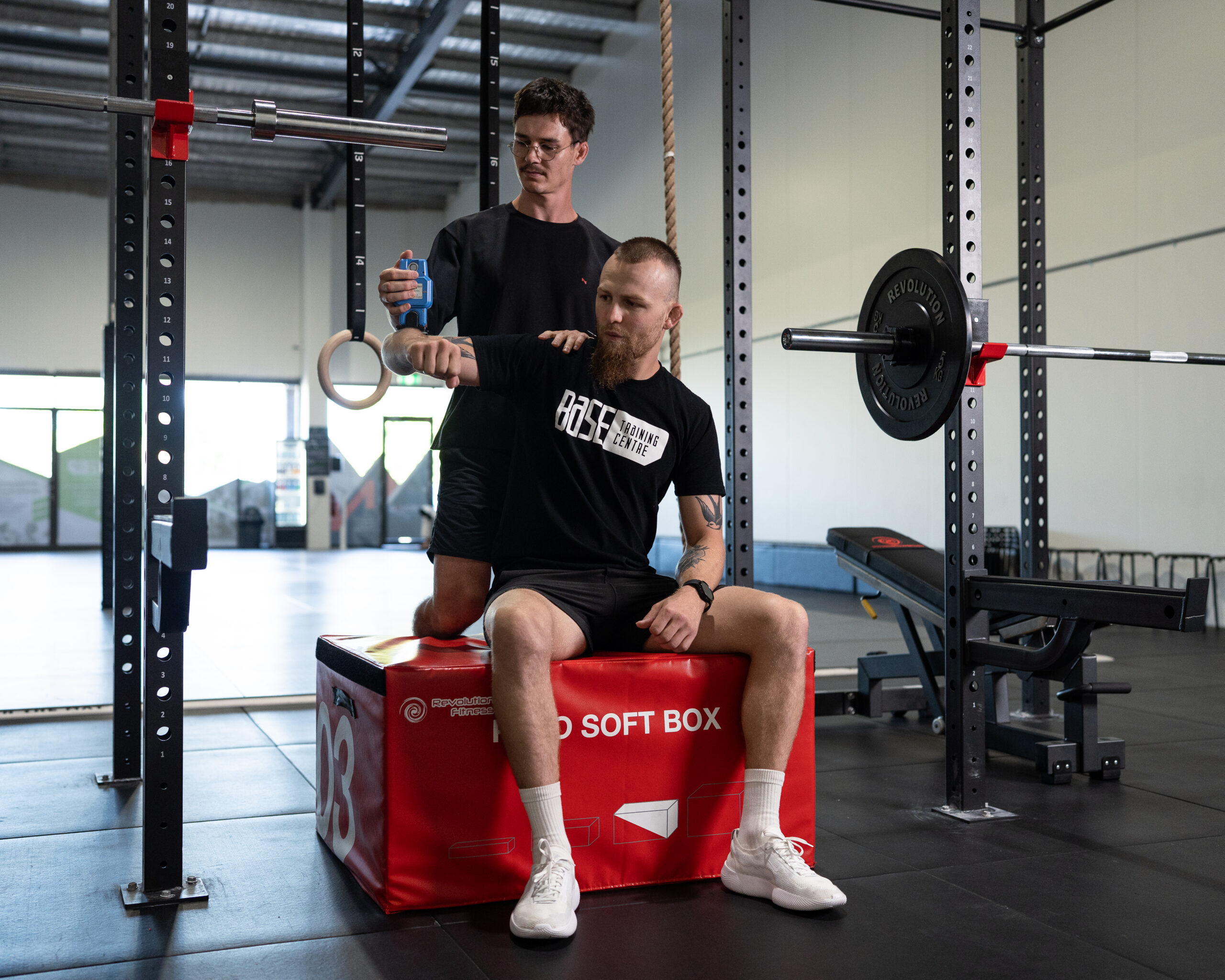
We’ll help you understand your problem, so you know exactly what to expect and what steps you need to take for recovery.
2
Plan
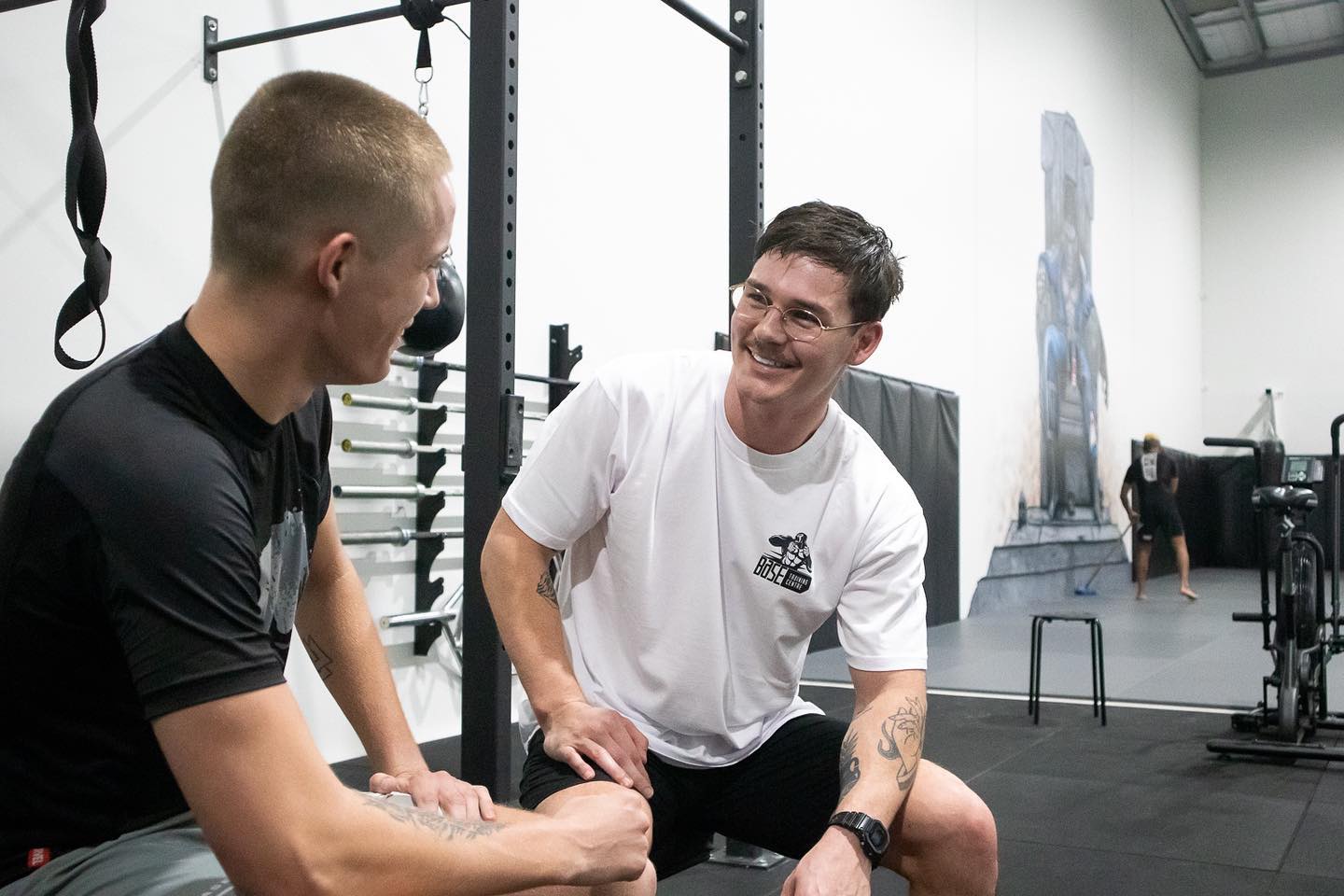
We’ll partner with you to develop a comprehensive plan of care, combining treatment and exercise to ensure recovery and lasting health benefits.
3
Treat
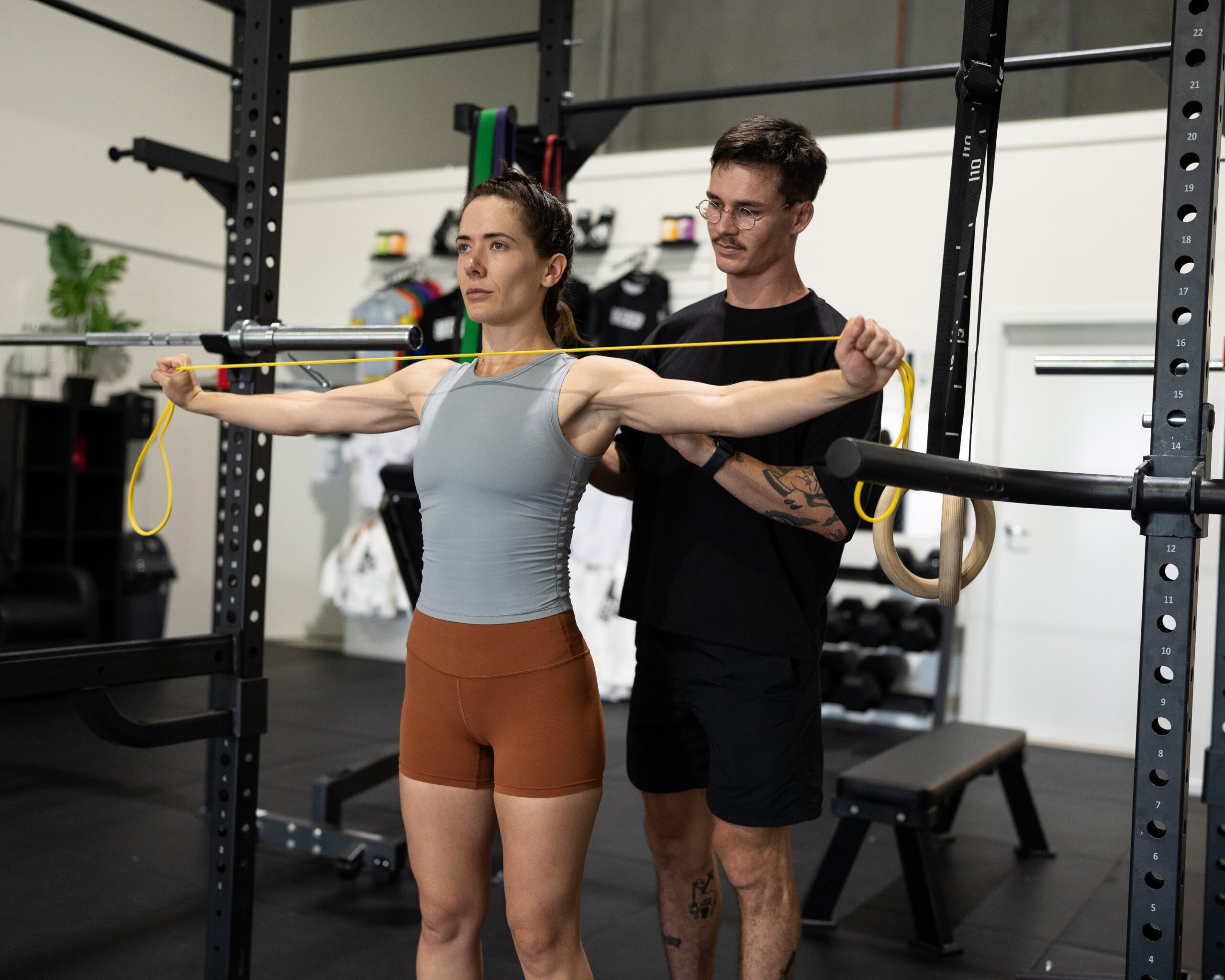
Depending on your problem, we might use hands-on techniques. But more than likely what will be of benefit is an active approach with your pain and preferences in mind.
Conditions



Treatments


Related articles


P: 0468 054 699
E: info@aboundphysio.com
F: 07 5547 5777