

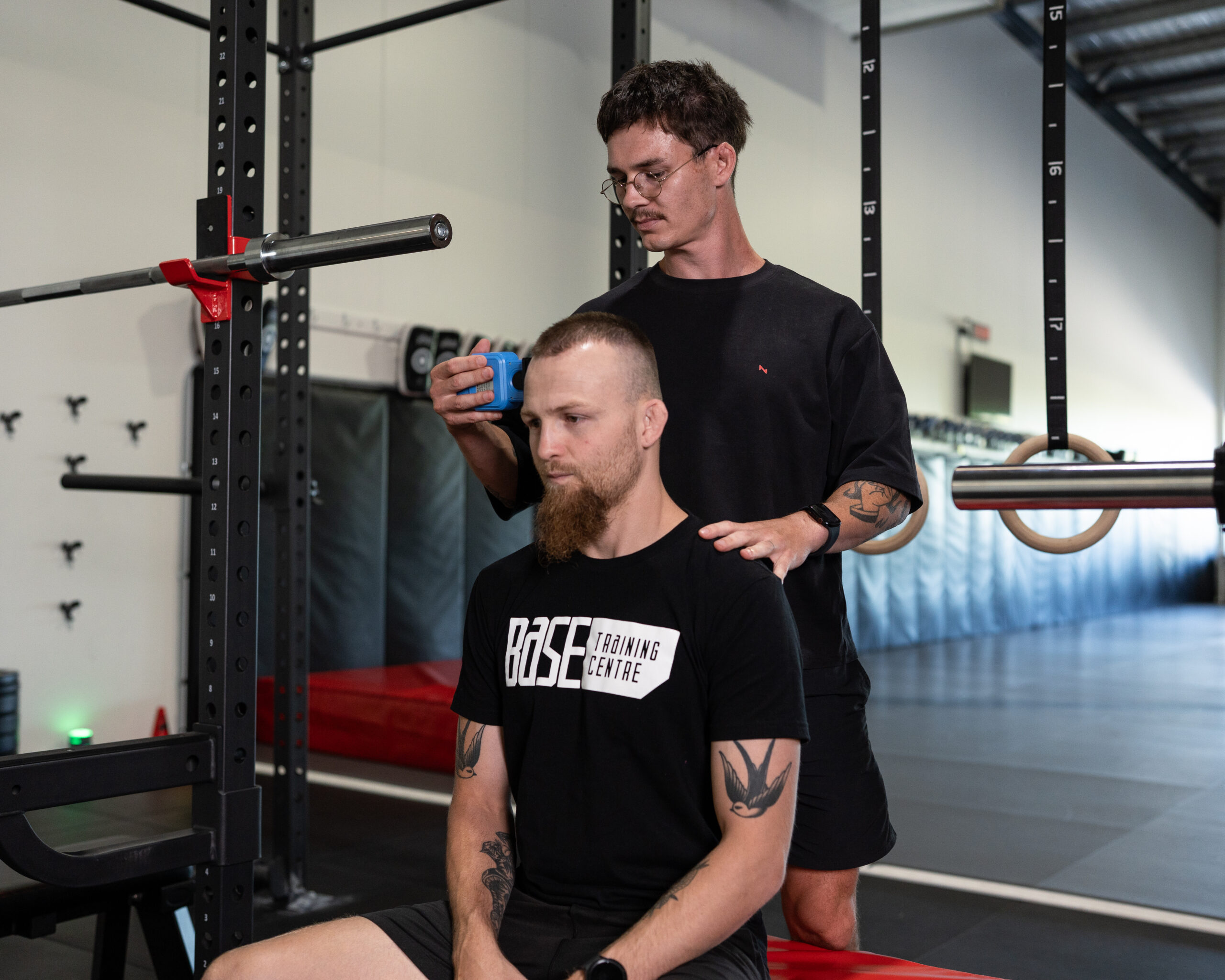
Shoulder dislocations are common in contact and collision sports, combat sports like BJJ, and falls. But “shoulder instability” covers a lot more than the classic tackle-gone-wrong. Some people’s shoulders slip without any injury at all.
Working out which type you have is the most important step, because it changes everything about treatment.
The take-home
Not all unstable shoulders are the same. Get the type right, factor in your age and sport, and build a plan around that. We’re happy to help you work out whether rehab, surgery or a combination is your best path.
In this article

The three types of shoulder instability
We think of instability on a spectrum with three main types. People can sit somewhere between them, and can shift over time.
1. Traumatic (“torn loose”)
A big force pops the shoulder out, usually forwards. This often tears the labrum (the rim of cartilage around the socket) and can dent the back of the ball. Most common in young men playing contact sport, and in older adults after a fall.
2. Atraumatic structural (“born or become loose”)
The shoulder slips without a big injury, often in more than one direction, because the capsule and ligaments are naturally looser or have stretched over time with repetitive sport (think swimmers or throwers).
3. Muscle patterning (“pulled loose”)
There’s nothing structurally damaged on scans, but certain big muscles, like the pecs or lats, fire at the wrong time and literally pull the ball out of position, while the stabilising muscles don’t switch on properly. This is often seen in people with hypermobility, and can be linked with widespread pain, fatigue and stress.
Your stabilising muscles are clever
Ligaments don’t do much to hold your shoulder in place during everyday movement. Your rotator cuff does, and it’s smarter than people think. Rather than squeezing uniformly, different parts of the cuff work harder depending on direction. When you lift your arm forwards, the back of the cuff works harder to stop the ball sliding forwards. When you pull your arm back, the front of the cuff steps up. Good rehab trains these direction-specific patterns, not just generic “rotator cuff exercises”.

First-time traumatic dislocation: does age matter?
A lot.
- Under 25, especially in contact sport: the risk of it happening again without surgery is very high. An early specialised scan and a conversation with a shoulder surgeon about stabilisation surgery is often recommended.
- 25 to 40: a solid trial of structured rehab (three to six months) is usually the first step, with surgery considered if the shoulder keeps feeling unstable or limits what you want to do.
- Over 40: the bigger worry shifts to what else got hurt. Rotator cuff tears and fractures are much more common after a dislocation in older adults, so early imaging is important.
If there’s significant bone loss on the socket, a standard soft tissue repair is less likely to hold, and surgeons may recommend a bone block procedure called a Latarjet.

What rehab looks like
Early: settling pain, regaining comfortable range, gentle cuff and shoulder blade activation, and light weight-bearing through the arm (like on hands and knees).
Middle: loading the shoulder in higher, more challenging positions; working the front and back of the cuff specifically; adding whole-body movements like lunges with a press.
Late: controlled strength in the “danger” positions (arm out to the side and rotated back), fast catching and throwing drills, unstable surface work, and sport-specific skills.
Structured, progressive programs genuinely reduce how many people go on to need surgery after a first dislocation.
Before returning to contact sport, we look at strength ratios, specific shoulder return-to-sport tests, and how confident you feel, because fear of re-injury is a real factor in performance and re-injury risk.
Atraumatic and muscle patterning instability
Here, surgery is usually not the answer and can make things worse, especially when scans show a structurally normal joint. Treatment focuses on:
- Retraining how the muscles switch on, often starting in easier positions (lying down, in water or with support)
- Gradually re-exposing you to the positions you’ve been avoiding
- Managing whole-body factors that often come with hypermobility, like fatigue, dizziness on standing, sleep and pacing
- Involving other health professionals when pain, stress or mood are part of the picture
Labral tears without dislocation
Many people are told they have a “SLAP tear” or labral tear on a scan. Research comparing labral repair surgery with a placebo surgery found similar results, so for most of these people, a good rehab program is the first line of treatment.
Thanks for reading! If this sounds like you, I’d love to help you work out what’s going on and build a plan that fits your life.
This article is general information only and isn’t a substitute for personalised advice. Everyone is different, so if you’re unsure, book an assessment or speak with your GP. If you have severe or rapidly worsening symptoms, seek urgent medical care.
