
Osteoarthritis & Osteoporosis
Rebuild joint capacity, improve bone density, and move without fear through evidence-based rehabilitation.
Take control of your long-term health with expert guidance for osteoarthritis and osteoporosis management.
ON THIS PAGE

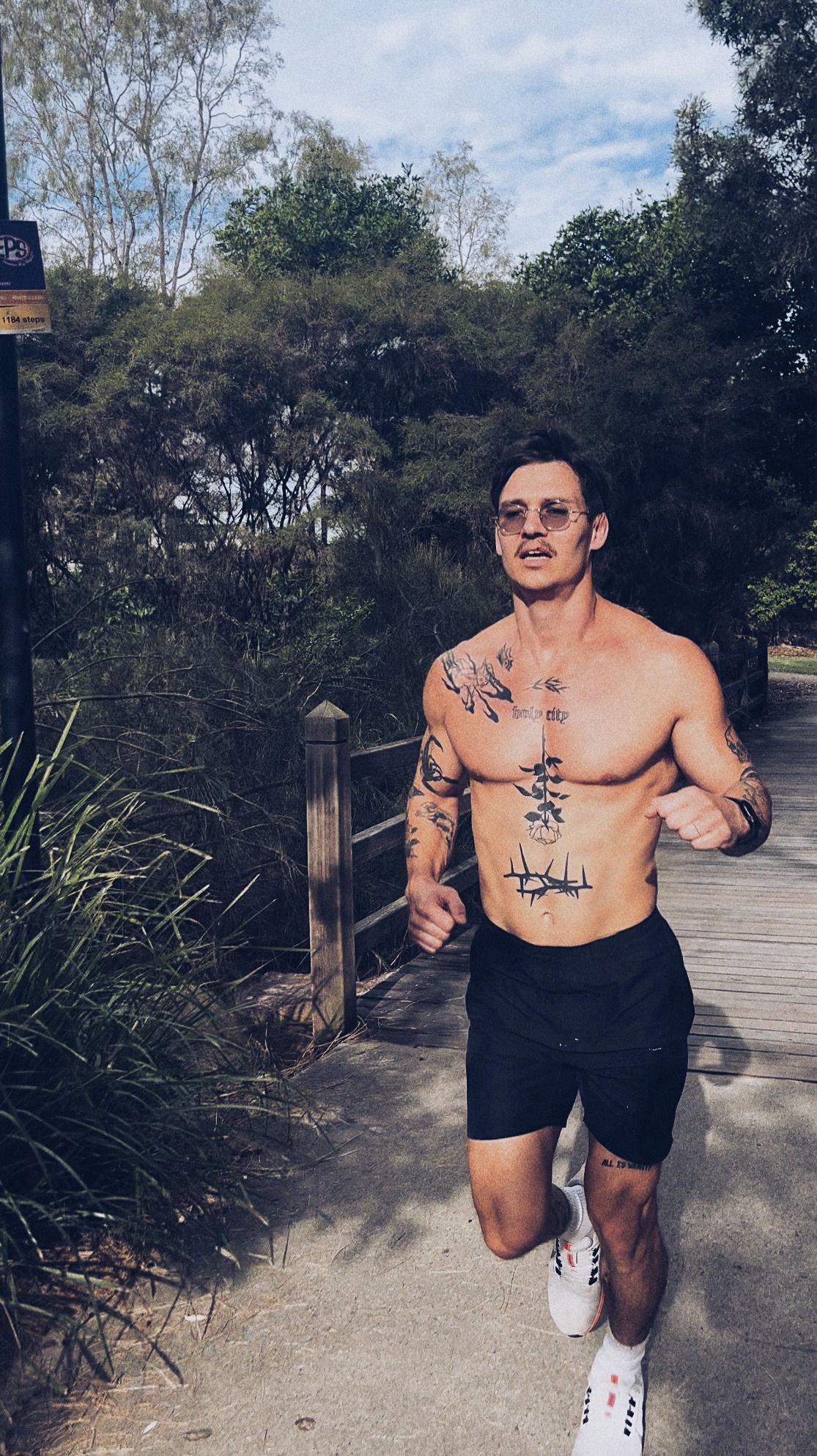
Mitchell Robinson
MSK & Sports Physiotherapist
Your assessment will be conducted by a clinical MSK physio with expertise in joint biomechanics and pain science to help you build resilience and overcome osteoarthritis and bone density challenges.
Redefining Osteoarthritis
For decades, Osteoarthritis was described using the inaccurate “wear-and-tear” analogy. This is clinically damaging because it fosters fear-avoidance, movement anxiety, and unnecessary joint protection behaviors.
A Disease of the Entire Joint Organ
In modern medicine, OA is defined as a disease of the entire joint organ (and potentially a systemic pathology), not merely mechanical wearing of cartilage. It involves cartilage matrix changes, subchondral bone remodeling, soft tissue inflammation, and systemic inflammatory components.
The Active Cartilage Matrix Turnover Model
Cartilage is a living tissue that constantly remodels. It relies entirely on cyclical hydrostatic pressure changes (loading and unloading) to absorb nutrients and synthesize the matrix. Lack of loading literally starves the cartilage! Progressive loading helps build it back.
Comprehensive Osteoarthritis Management
- Progressive Cyclical Loading — dynamic, weight-bearing exercises stimulate cartilage cells to synthesize new joint matrix.
- Clinically Meaningful Weight Loss — a 5-15% reduction in body weight provides massive symptom relief and dampens systemic inflammation.
- First-Line Pharmacotherapy — topical NSAIDs (like diclofenac) provide highly effective local anti-inflammatory effects with minimal systemic side effects.
- Progressive Load Modification — do not stop exercising during a flare! We modify the exercise parameters to reduce impact while keeping you active.
Trusted by Mango Hill & North Lakes Locals


1
Understanding Osteopenia & Osteoporosis
Osteopenia is the precursor state where bone density is lower than normal but has not yet declined to the diagnostic threshold of Osteoporosis.
- The Honeycomb Scaffolding: Osteoporosis destroys the bone’s internal scaffolding, severely reducing strength and rendering it highly susceptible to fragility fractures.
- Key Risk Factors: Early menopause, low BMI, sustained corticosteroid use, inflammatory pathologies, and Relative Energy Deficiency in Sport (RED-S) accelerate bone loss.
2
Risk Screening: The FRAX Tool
We utilize the FRAX Tool, a validated clinical calculator using age, sex, BMI, and key risk factors to estimate a patient’s 10-year fracture probability.
- Clear Clinical Pathways: It directs patients into Green (Reassurance), Yellow (DEXA scan), or Red (Pharmacological bone protection) zones.
- Targeted Intervention: By accurately assessing your risk, we ensure you receive the correct lifestyle, diagnostic, or medical interventions at the right time.
3
Exercise Prescription for Bone Health
Non-pharmacological, graded mechanical loading is clinically as effective as calcium and vitamin D supplementation for stimulating bone accretion.
- Targeted Mechanical Loading: We specifically target common osteoporotic fracture sites (femur neck, lumbar spine, wrist) with progressive loading (e.g., squats, deadlifts, overhead presses).
- Heavy Lifting Safety & Falls Prevention: Supervised heavy lifting is safe and highly effective. We also integrate targeted balance training and environmental modifications to drastically reduce falls risk.
Frequently Asked Questions
Under the NICE guidelines, a confident clinical diagnosis of OA can be made without imaging if you are over 45, have activity-related joint pain, and experience morning stiffness lasting under 30 minutes. Imaging is only ordered if symptoms progress rapidly or red flags are present.
No! That is an outdated and damaging myth. OA is a disease of the entire joint organ. Cartilage is living tissue that actually requires cyclical loading (movement and exercise) to absorb nutrients, stay healthy, and repair itself.
Yes. Supervised heavy lifting programs are documented as safe and highly effective for stimulating bone adaptation, showing no increase in adverse events even in previously untrained osteoporotic individuals. We ensure all movements are performed with correct, safe technique.
Yes! Your consultation is billed as an extended Physiotherapy consultation. If you have active extras cover for Physiotherapy, you can claim a rebate on the spot.
Osteoporosis: strength is part of the treatment
For most people with low bone density, safe lifting is helpful rather than risky. Progressive resistance training and appropriate impact exercise help maintain bone, and balance work reduces fall risk. If you have had a spinal fracture or have severe osteoporosis, we adjust the program, for example by limiting repeated forward bending and twisting under load, and we work alongside your GP.
Join hundreds of
happy
patients

Find Us
Shop 7, Capestone Village
67 Capestone Blvd, Mango Hill QLD 4509
Opening hours
Monday and Wednesday: 7:30 am–7 pm
Tuesday and Thursday: 7:30 am–8 pm
Friday: 7:30 am–4:30 pm
Saturday: by request
Sunday: closed
Contact Us
Call: (07) 2150 0505
SMS: 0468 054 699
E: info@aboundphysio.com
Follow Us
Find our clinic at Capestone Village. Physio Mango Hill · Physio North Lakes · Physio Griffin. We also welcome patients from Rothwell, Deception Bay and Kallangur.
Disclaimer
Every body is unique, and so is every recovery journey. While the team at Abound Physio is dedicated to supporting your health, mobility, and wellbeing, specific results will vary from person to person and cannot be guaranteed. Please speak with one of our qualified physiotherapists for advice tailored to your individual needs.