
Knee Pain & Injuries
Improve strength, stability, and mobility while eliminating pain, without the guesswork.
Whether it’s a traumatic sports injury or a chronic ache that crept up on you, we assess the whole kinetic chain to build a resilient, powerful knee.
ON THIS PAGE
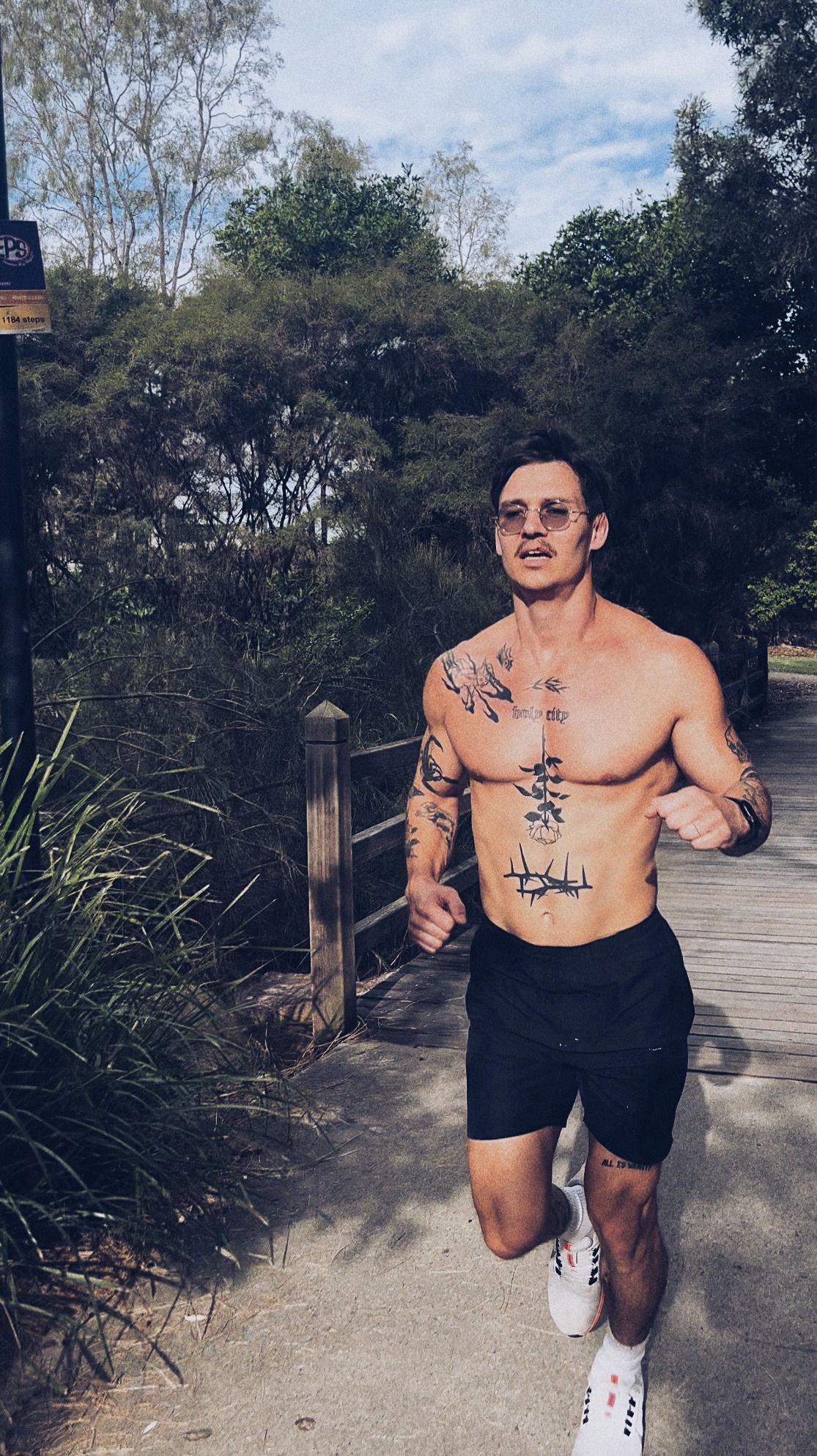
Mitchell Robinson
MSK Physiotherapist
As sports physiotherapists, knees make up a huge portion of our caseload. We’ve spent countless hours treating complex knee injuries, doing advanced coursework, and guiding athletes and everyday runners out of pain.
The Knee is Caught in the Middle
Because the knee sits between the hip and the ankle, it’s often the victim of poor movement happening above or below it.
Machine vs. Ecosystem
Not all talk of the “kinetic chain” is nonsense. A stiff ankle or weak glutes really can force the knee to absorb excessive rotational or lateral load. But the knee doesn’t exist in isolation — sleep, diet, and stress all shape how well it recovers and performs. Optimising hip control and ankle mobility helps. So does optimizing sleep and stress. Address the whole picture, and you take the brakes off your knee — clearing the way to return to sport, pain-free.
Calm it Down, Build it Up
Our philosophy is simple: we aren’t afraid to use hands-on therapy, joint mobilisations, or taping to rapidly reduce your pain and sensitivity. But we don’t stop there. Once the knee is calm, we use objective strength testing and progressive loading to rebuild its capacity so the pain stays away.
The Traumatic Injury
“I remember exactly when it happened.”
These are the injuries that happen with a twist, a fall, a pop, or a tackle. Whether you’re skiing, changing direction on the soccer field, or simply tripped over at home, these injuries involve structural damage to ligaments or cartilage that require immediate, structured management.
- ACL & PCL Tears
- Meniscus Tears
- MCL & LCL Sprains
- Patellar Dislocations
The Overload Problem
“I don’t know what I did, it just started hurting.”
These injuries sneak up on you. They usually happen when you ramp up your activity levels faster than your body can adapt—like deciding to train for a half-marathon or joining a new gym. This inefficient loading creates friction and tension over time, leading to conditions that require smart load-management to fix.
- Patellar & Quadriceps Tendinopathy (Jumper’s Knee)
- Patellofemoral Pain Syndrome (Runner’s Knee)
- ITB Friction Syndrome
- Knee Osteoarthritis
The Abound Knee Pathway
We don’t use arbitrary timelines. We guide you back to full function using a strict, criteria-based system.
1
Calm the Joint (Symptom Modification)

Before you can build strength, you need a pain-free window. We use proven strategies to rapidly lower your knee’s sensitivity:
- Hands-on Therapy: joint mobilizations and soft tissue work to restore motion.
- Taping & Unloading: using patella taping or specific braces to give angry tissues a rest.
2
Objective Strength Testing (Dynamometry)

Using dynamometry, we measure the exact force output of your quadriceps, hamstrings, and glutes. No manual guessing.
- Limb Symmetry Index (LSI): comparing your injured knee to your healthy side to spot deficits.
- Relative strength targets: tracking your leg strength relative to your body mass.
3
Rebuild Capacity & Power

We don’t just treat the pain and discharge you. We use progressive loading so your knee can handle whatever life throws at it.
- Plyometrics & Hop Testing: rebuilding elasticity for runners and athletes.
- Heavy Resistance Training: giving the joint raw strength to absorb force and prevent osteoarthritis progression.
Common Knee Conditions We Treat
- Anterior Cruciate Ligament (ACL) Tears
- Meniscus Tears
- Patellar & Quadriceps Tendinopathy
- MCL / LCL Sprains
- Patellofemoral Pain Syndrome (Runner’s Knee)
- Knee Osteoarthritis
- ITB Friction Syndrome
Trusted by Mango Hill Runners & Lifters


Frequently Asked Questions
Absolutely. Osteoarthritis doesn’t mean your knee is “bone on bone” and doomed. The latest clinical guidelines recommend structured strength training to build the muscles around the joint, acting as shock absorbers. We can help reduce pain and improve your joint function, often helping people avoid or significantly delay knee replacement surgery.
This is incredibly common, particularly with conditions like Patellofemoral Pain Syndrome (Runner’s knee) or early tendinopathy. Scans like MRIs look for structural tears, but they don’t show how your nervous system and tissues are responding to load. We treat the functional issue, not just what’s on the scan.
It depends on the tissue involved. A simple knee cap tracking issue can start feeling better in 2-4 weeks with the right exercises and taping. A stubborn tendinopathy or meniscus tear might take 3-6 months to build robust capacity. We provide an exact roadmap for you on Day 1, so there’s no guesswork involved.
Usually, no. For degenerative or small traumatic tears, high-quality physio-led strength training has been shown to be just as effective as surgery in the long term, without the risks of an operation. If your knee is consistently “locking” (you physically cannot straighten it), that’s one of the few times we’ll refer you straight to an orthopaedic specialist.

Your next chapter begins with us
Knee: a quick guide to what we check
- Where the pain is and what brings it on (stairs, squatting, running, twisting)
- Swelling, locking or giving way, which point us towards structural problems
- Strength through the thigh, hip and calf, and how you land and change direction
- For ligament injuries, a clear plan on whether surgery or rehab suits your goals. Many ACL injuries do well with structured rehab, and many people need surgery. It depends on the knee and what you want to return to.
Join hundreds of
happy
patients

Find Us
Shop 7, Capestone Village
67 Capestone Blvd, Mango Hill QLD 4509
Opening hours
Monday and Wednesday: 7:30 am–7 pm
Tuesday and Thursday: 7:30 am–8 pm
Friday: 7:30 am–4:30 pm
Saturday: by request
Sunday: closed
Contact Us
Call: (07) 2150 0505
SMS: 0468 054 699
E: info@aboundphysio.com
Follow Us
Find our clinic at Capestone Village. Physio Mango Hill · Physio North Lakes · Physio Griffin. We also welcome patients from Rothwell, Deception Bay and Kallangur.
Disclaimer
Every body is unique, and so is every recovery journey. While the team at Abound Physio is dedicated to supporting your health, mobility, and wellbeing, specific results will vary from person to person and cannot be guaranteed. Please speak with one of our qualified physiotherapists for advice tailored to your individual needs.