

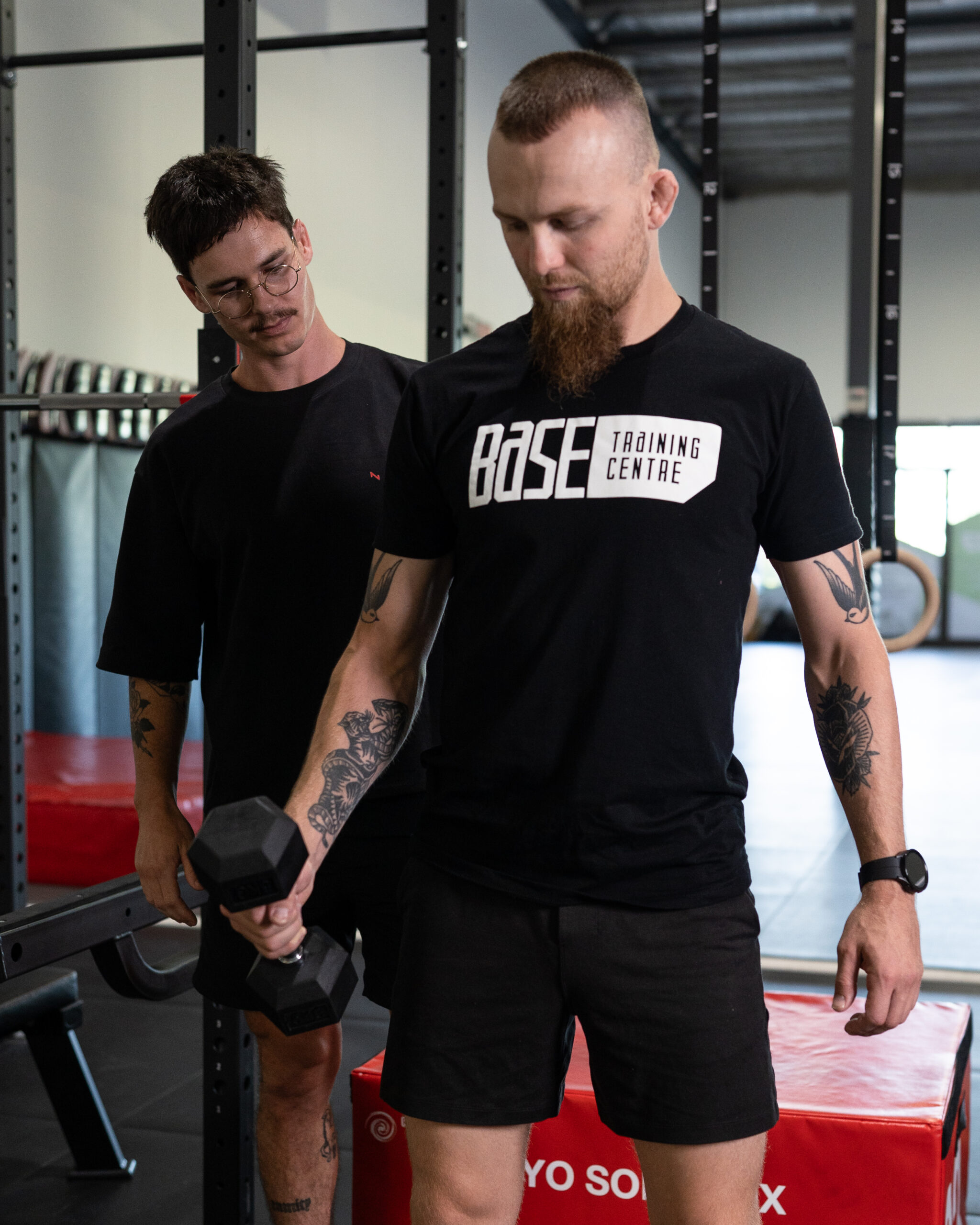
One of the most common things I hear in the clinic is “I stopped exercising because it hurt, and I didn’t want to make it worse.”
That makes complete sense. Pain is designed to protect you. But for most persistent aches and pains, pain is a poor measure of damage. Learning that, and learning how to move with some discomfort, is often the turning point in recovery.
The take-home
Hurt doesn’t always mean harm. With the right guidance, exercising with some discomfort is safe, builds confidence and often speeds recovery. Choose movement you enjoy, adjust it to how you’re feeling day to day, and keep the long game in mind.
In this article

Most pain isn’t a “broken part”
Take low back pain. Less than 1 percent of cases are due to something serious like a fracture, infection or cancer. Around 5 to 10 percent involve an irritated nerve. The other 90 to 95 percent don’t have one clear structure we can point to and blame.
That doesn’t mean the pain isn’t real. It means lots of things are turning the volume up at once: sensitive tissues, a sensitised nervous system, stress, sleep, worry, general health and fitness, and past experiences. Scan findings often don’t line up with how much pain someone has.
The beliefs that hold people back
Surveys show a lot of people with back pain believe they should “take it easy”, that pain during a movement means they should avoid it permanently, and that exercise is riskier than it is helpful. Clinicians can share these beliefs too.
A helpful reframe for arthritis: think of it less like “wear and tear” and more like “rust”. Joints tend to do worse with too little movement, not too much. Knee osteoarthritis has become more common over the last century, even as jobs have become less physical.
Some myths worth letting go of
The research doesn’t support many of the things people have been told cause their pain:
- Posture. The curve of your spine, slouching or a forward head position don’t reliably predict back, neck or shoulder pain.
- Pelvic tilt. A forward-tilted pelvis is normal. Most pain-free people have one.
- “Your glutes aren’t firing.” There’s no single correct firing order. It varies a lot between healthy people.
- “Strengthen this muscle and your movement will fix itself.” Getting stronger is great, but it doesn’t automatically change how you run or squat. Changing a movement means practising that movement.
- “Stretch it and your range will carry over.” Passive flexibility doesn’t automatically show up in dynamic tasks either.
Exercise is still the best treatment we have
Across musculoskeletal conditions, exercise has the strongest and most consistent evidence for improving pain and function in the short, medium and long term. Hands-on treatment and medication can help in the short term, and education matters for long-term change, but exercise is the foundation.
Regular exercise also boosts your body’s own pain-relieving systems, helps keep spinal discs healthy, strengthens bone, improves mood and lowers inflammation.
Is it okay to exercise with pain?
For most persistent pain, yes. Research comparing exercise that allows some pain with strictly pain-free exercise found:
- People who allowed some pain did a little better in the short term
- Long-term results were the same, with no extra harm
Why would that help? Partly because exercise turns on the body’s own pain-dampening systems. And partly because doing something you expected to hurt you, and finding it didn’t, builds confidence. Confidence to keep doing things despite pain is one of the strongest predictors of recovery.

How much pain is okay?
A simple guide we use:
- Pain during exercise up to about 5 out of 10 is generally okay
- It should settle back to your normal within 24 hours
- It shouldn’t make you limp, brace, hold your breath or wince your way through it
- It shouldn’t wake you at night
- Over two to three weeks, things should be trending in the right direction
If those boxes are ticked, keep going. If not, we dial it back a notch, not stop.

How hard should I push today? The “rule of 10”
A handy rule of thumb: your effort level + your pain level ≈ 10.
- Pain is 7 out of 10 today? Keep effort around 3 out of 10. Think short, easy “movement snacks” through the day.
- Pain is 3 out of 10? You can work at around 7 out of 10 effort.
Then check how you are 24 to 48 hours later:
- Better or the same → nudge things up
- A bit sore but settling → stay where you are
- Worse and not settling → ease back
Stress and poor sleep lower how much you can handle, so a tough week at work may mean a lighter week in the gym. That’s not failure; it’s smart.
What this looks like for back pain
A new flare-up (first week or so)
Avoid bed rest. Short, frequent walks, gentle movements like rocking on hands and knees, relaxed breathing, and easy holds if they feel okay.
Weeks 1 to 3
Bring back bending, squatting, lunging and reaching, lightly loaded, at a moderate effort.
Weeks 3 to 6 and beyond
Get strong. Deadlifts, kettlebell swings, carries and faster, more varied movement. The goal is no movements left on the “avoid” list.
For pain that’s been around longer than three months, the approach is similar but slower. We find what you enjoy and will stick with, gradually reintroduce movements you’ve been avoiding or fear, and shift the focus from getting rid of every bit of pain to getting back to the things that matter to you.
When to get checked first
Most pain is safe to exercise with, but see your GP or physio first if you have unexplained weight loss, fever, a history of cancer, numbness around the groin or bottom, changes to bladder or bowel control, or progressive weakness in the legs.
Thanks for reading! If this sounds like you, I’d love to help you work out what’s going on and build a plan that fits your life.
This article is general information only and isn’t a substitute for personalised advice. Everyone is different, so if you’re unsure, book an assessment or speak with your GP. If you have severe or rapidly worsening symptoms, seek urgent medical care.
