
Stay on the Mats
Without Joint Breakdown, Chronic Pain, or Months Away from the Gym
Discover an evidence-based combat sports physiotherapy approach that diagnoses the root cause, modifies your rolling parameters in real time, and builds bulletproof multi-planar joint capacity (so you can actually string together some good training without constantly needing time off to heal.
ON THIS PAGE

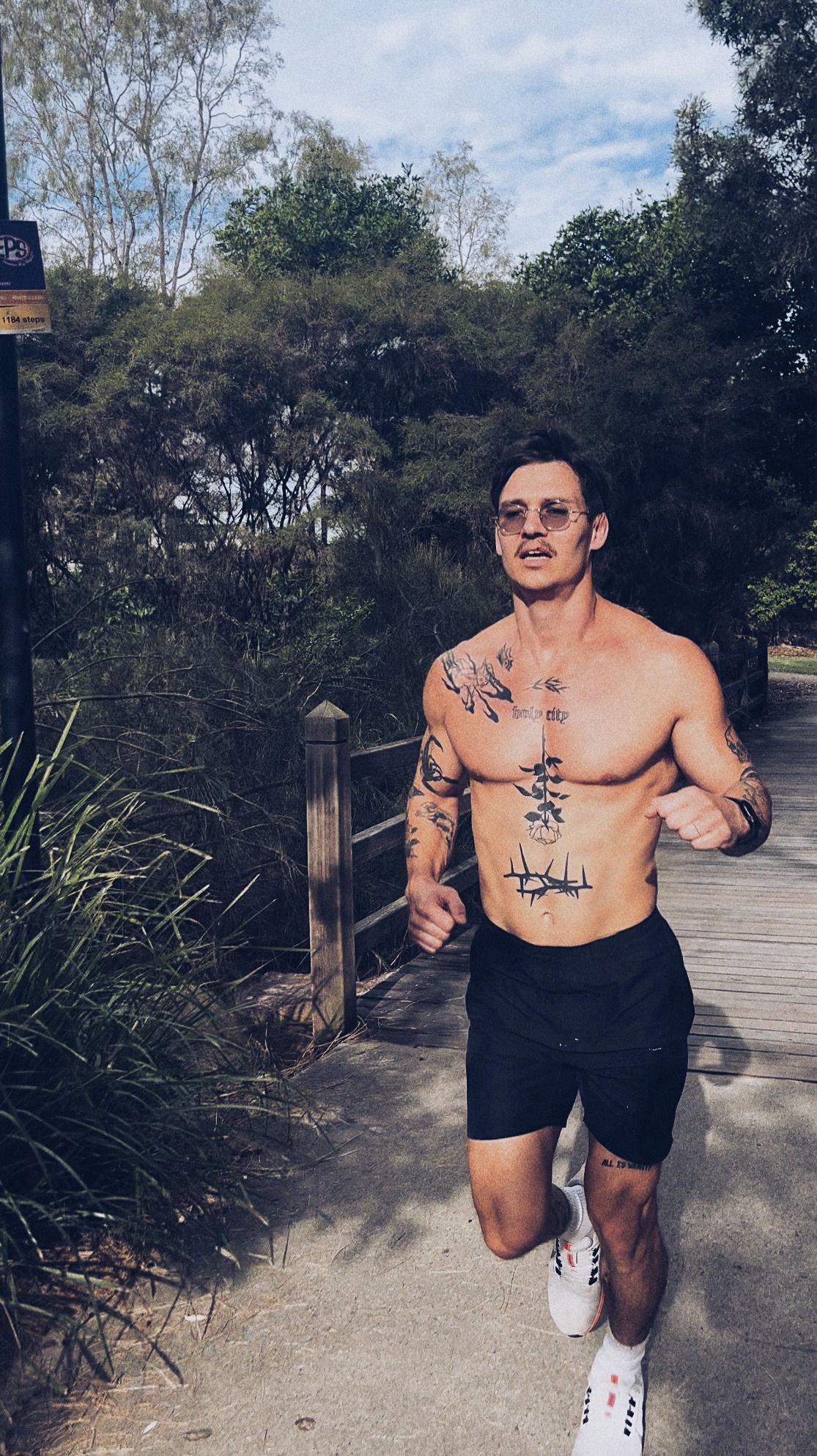
Mitchell Robinson
MSK & Combat Sports Physiotherapist
True combat sports rehabilitation constructs a Trainable Menu. We keep your cardiovascular conditioning, uninjured limbs, and safe positional sparring working at 100% while systematically remodeling the healing tissue.
Why Do Grappling “Niggles” Become Career-Threatening Relapses?
Brazilian Jiu-Jitsu—whether in the Gi, No-Gi, or MMA—imposes extreme multi-directional shear, rotational torque, and sustained isometric compression. When a joint sprain occurs, surrounding muscles hyper-tonically contract to artificially guard the region. Continuing to roll alters motor control, forcing adjacent kinetic chain segments to absorb massive compensation loads.
Gi vs. No-Gi Biomechanical Demands
Gi grappling destroys hands through open-canopy sleeve grips, bowstringing A2/A3 pulleys and volar plates, while mat friction traps the cervical spine during inversions. No-Gi grappling introduces dynamic scrambles, high-velocity guillotine neck cranks, and extreme torsional knee shear from modern leg entanglements (Ashi Garami, heel hooks) threatening the LCL, PLC, and meniscus.
The Underloading Trap: Why “6 Weeks Off” Fails
Complete rest causes rapid muscle atrophy, reduces tendon and capsular stiffness, and induces neurological deconditioning. Returning to hard sparring with lower tissue capacity guarantees immediate re-injury. Furthermore, ice and NSAIDs blunt the cellular inflammatory cascade required for structural collagen remodeling.
Common BJJ Pathologies & Regional Injuries We Treat
- Fingers, Hands & Forearms (Grip Destruction) — A2/A3 flexor pulley bowstringing from heavy crimp grips (~60° PIP flexion), volar plate and collateral ligament sprains, MCP sagittal band tears causing knuckle deviation, and 2nd/3rd CMC dorsal joint instability from posting.
- Elbow & Forearm (Armbars & Frames) — Hyperextension tearing the anterior capsule, brachialis insertion, and causing olecranon impaction; UCL valgus strains from submission escapes; reactive Pronator Teres/FDS tendinopathy; and olecranon bursitis (where aspiration must be avoided).
- Shoulders & AC Joint (Kimuras, Americanas & Takedowns) — Posterior-inferior capsulolabral trauma from internal rotation (Kimuras), anterior-inferior labral/biceps anchor strain from external rotation (Americanas), AC separations from mat returns, and distal clavicular osteolysis.
- Cervical Spine & Neck (The “Stack” & Cranks) — C6/C7 foraminal nerve root compression from getting stacked inverted or caught in guillotines, dural sheath sensitisation, and reflexive protective muscle spasms in the upper trapezius and levator scapulae.
- Ribs & Thorax (“Rib Pops” & Body Triangles) — Costochondral and costovertebral joint sprains from heavy top side control pressure or tight body triangles, causing excruciating pain during deep inhalation, coughing, or rotation, alongside rotational intercostal muscle tears.
- Knees & Leg Entanglements (Heel Hooks & Guards) — Posterolateral Corner (PLC), LCL, and biceps femoris torsional shear from inside/outside heel hooks; meniscal rotational tears from De La Riva and rubber guard; and MCL valgus strains under deep flexion.
Trusted by Mango Hill & North Lakes Combat Athletes


1
Phase 1: The Combat Audit & Trainable Menu
We divide your grappling into Tier 1 (targeted rehab load) and Tier 2 (train-around drills) so your cardio, mat identity, and conditioning remain 100% active while healing.
- Tier 1 vs. Tier 2 Taxonomy: Volume-monitoring and isolating the injured tissue while drilling uninjured positions and working conditioning at full intensity.
- Combat Movement Audit: Screening cervical dural tension, finger grip dynamometry, and multi-axial joint stability under combat loads.
2
Phase 2: Real-Time Mat Symptom Modification
We don’t pull you off the mats completely! Using symptom modification procedures, we alter mechanical vectors during live drilling to eliminate pain triggers while keeping your grappling sharp.
- Grip & Guard Adjustments: Switching from Gi sleeve grips to No-Gi wrist ties, diamond finger taping, and playing seated/half-guard to eliminate axial stacking.
- Positional Protection: Utilising supportive chest binders for rib sprains, flaring feet 10–15° on guard passes, and setting strict early-tap rules for leg entanglements.
3
Phase 3 & 4: Mechanotransduction & Controlled Chaos
We harness mechanotransduction using Heavy Slow Resistance (HSR) at ≥70-80% 1RM to rebuild capsulolabral and tendon stiffness, followed by graded isometric submission exposure and live sparring return.
- Heavy Slow Resistance (HSR): Controlled 3-second tempos upregulating Type I collagen synthesis in tendons, annular pulleys, and joint capsules.
- Controlled Chaos & Submission Exposure: Holding isometric resistance against sub-maximal submission angles (armbars, Kimuras) and situational rolling to restore competition confidence.
Frequently Asked Questions
Rarely! We avoid the “underloading trap”. We construct a Trainable Menu so you know exactly which solo movement drills, positional sparring situations, and conditioning exercises you can perform at 100% intensity, which grips or guards to modify, and how to execute your specific Tier 1 rehab exercises during warm-ups.
In over 90% of non-traumatic or insidious cases, no. Diagnostic imaging frequently reveals harmless “wear and tear”—such as minor disc bulges, labral fraying, or asymptomatic meniscus signal changes—that are present in up to 50% of completely pain-free athletes. Our physical examination tests your actual joint movement capacity, tissue load tolerance, and motor control directly.
Cortisone injections and regular NSAIDs (like ibuprofen) might numb pain temporarily, but high-quality clinical trials show cortisone leads to a 50% to 72% pain recurrence rate at 12 months and causes structural tendon and capsular degradation. NSAIDs also block the early chemical messaging molecules required for true structural collagen remodeling after loading.
Simple collateral ligament sprains produce tenderness on the sides of the knuckle, whereas an A2/A3 pulley tear presents with tenderness directly on the palmar base of the finger, accompanied by visible or palpable “bowstringing” (the flexor tendon standing away from the bone) when bending against resistance. We perform objective manual and dynamometry testing to verify pulley integrity.

Ready to Roll Without Pain & Dominate the Mats?
Join hundreds of
happy
patients

Find Us
Shop 7, Capestone Village
67 Capestone Blvd, Mango Hill QLD 4509
Opening hours
Monday and Wednesday: 7:30 am–7 pm
Tuesday and Thursday: 7:30 am–8 pm
Friday: 7:30 am–4:30 pm
Saturday: by request
Sunday: closed
Contact Us
Call: (07) 2150 0505
SMS: 0468 054 699
E: info@aboundphysio.com
Follow Us
Find our clinic at Capestone Village. Physio Mango Hill · Physio North Lakes · Physio Griffin. We also welcome patients from Rothwell, Deception Bay and Kallangur.
Disclaimer
Every body is unique, and so is every recovery journey. While the team at Abound Physio is dedicated to supporting your health, mobility, and wellbeing, specific results will vary from person to person and cannot be guaranteed. Please speak with one of our qualified physiotherapists for advice tailored to your individual needs.